

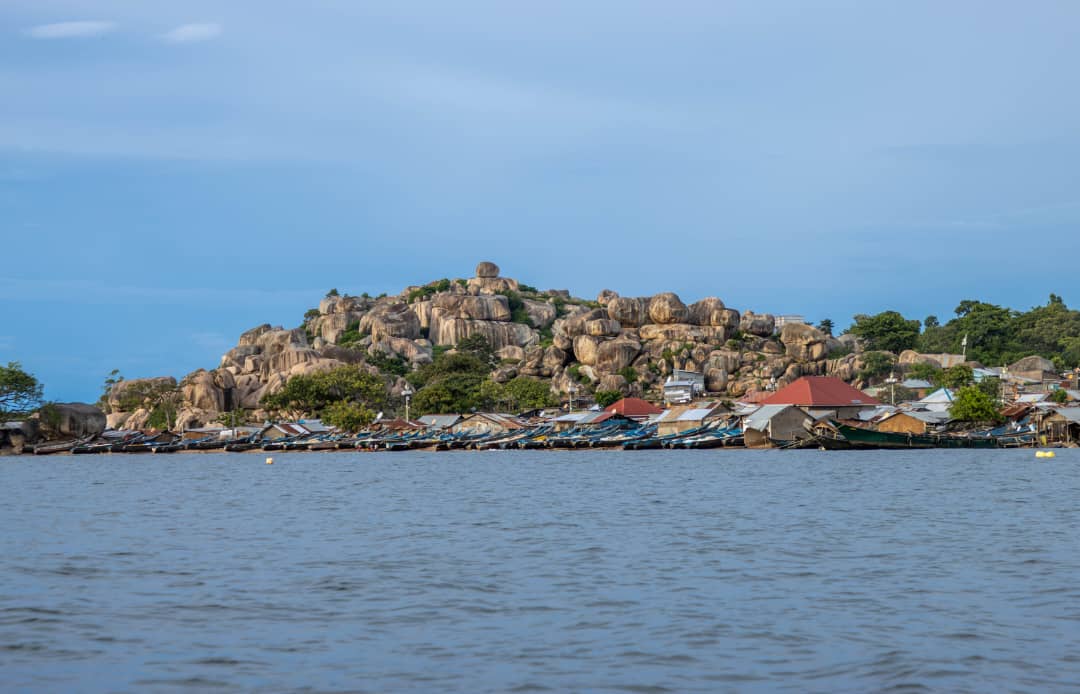
La Fang Eco Resort has launched a campaign to plant two million trees on Dolwe Island as part of efforts to restore the island’s fragile ecosystem and promote sustainable tourism.
Unlike many islands on Lake Victoria, Dolwe Island is largely rocky and has limited natural tree cover, making vegetation growth difficult and exposing the area to environmental degradation, including soil erosion and declining biodiversity.
The tree-planting initiative seeks to restore vegetation on the island, improve soil retention, reduce erosion, and create conditions that support plant and animal life.
According to the resort’s General Manager, the island’s natural condition makes conservation efforts increasingly important.
“Dolwe Island is naturally rocky and has very limited tree cover, which makes this initiative even more important. Every visitor who comes to La Fang Eco Resort becomes part of the journey to restore and green the island,” he said.
Environmentalists note that increasing tree cover on islands such as Dolwe can help strengthen resilience against climate change by improving local environmental conditions, supporting biodiversity, and protecting fragile landscapes.
Under the initiative, guests visiting the resort are encouraged to plant a tree in their own name before leaving, turning tourism into a direct contribution to environmental restoration.
“Each guest plants a tree in their name before leaving the resort. Over time, these trees will stand as symbols of conservation, memories, and commitment to protecting nature,” the manager added.
The resort says the target of planting two million trees will require support from travelers, conservationists, organizations, and local communities.
“We are inviting travelers, conservationists, and organizations to join us in building a greener Dolwe Island,” he said.
The campaign is also part of wider efforts to position Dolwe Island as a model for eco-tourism and sustainable development. The resort operates using solar energy and promotes environmentally friendly practices such as organic farming and waste reduction.
Project coordinators say partnerships with local communities and environmental stakeholders will be critical to the long-term success of the restoration programme.
If successful, the initiative could transform Dolwe Island from a sparsely vegetated rocky landscape into a greener and more sustainable ecosystem while contributing to Uganda’s broader climate action and conservation efforts.
